

MALTA
October 2025
Malta: 7 days, 132 km, 100% Street Art
Malta was far more than just a destination; it was a total immersion and a true creative marathon. My approach remains the same: creation born of sweat and relentless exploration.
Each piece is the result of a long hunt across the island searching for that forgotten sign, the perfect wall, or the most evocative ruin.
The intensity of the journey is measured in numbers: a week spent traversing the island, covering 132 kilometers on foot. This distance isn't a record; it’s a method. It is the price paid to uncover the most unexpected canvases, far off the beaten path.
Extraordinary Canvases: From Ruins to the Streets
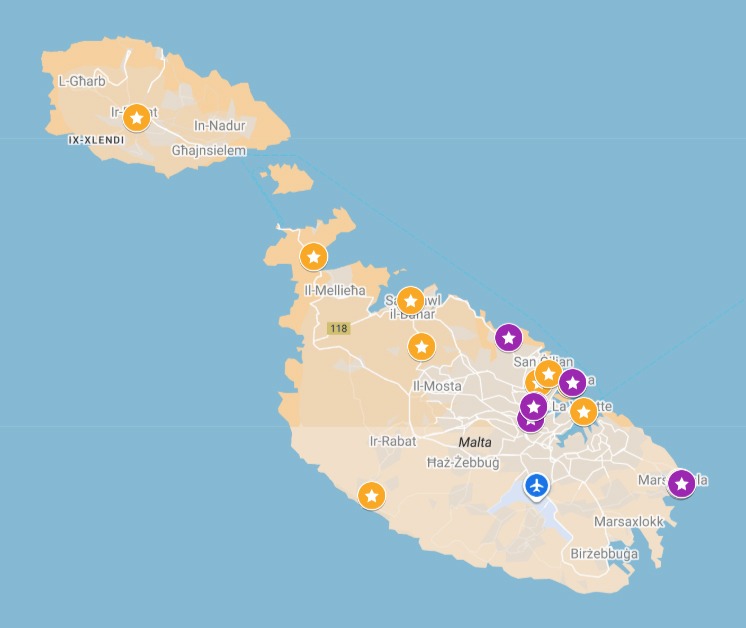
The nine paintings I created pit my work against locations steeped in history and contrast:
Monumental Urbex: I was able to make icons of Maltese abandonment my own—the Old St. Philip’s Hospital, the massive Jerma Palace in Marsaskala, and the White Rocks ghost village. These ruins provided unique canvases, imbued with memory and decay.
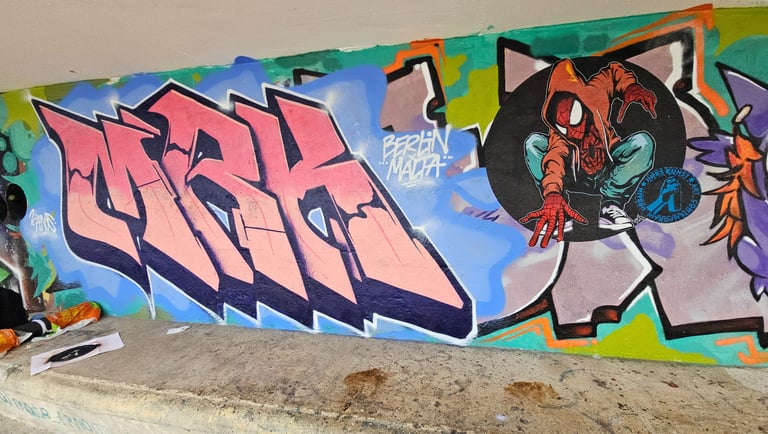
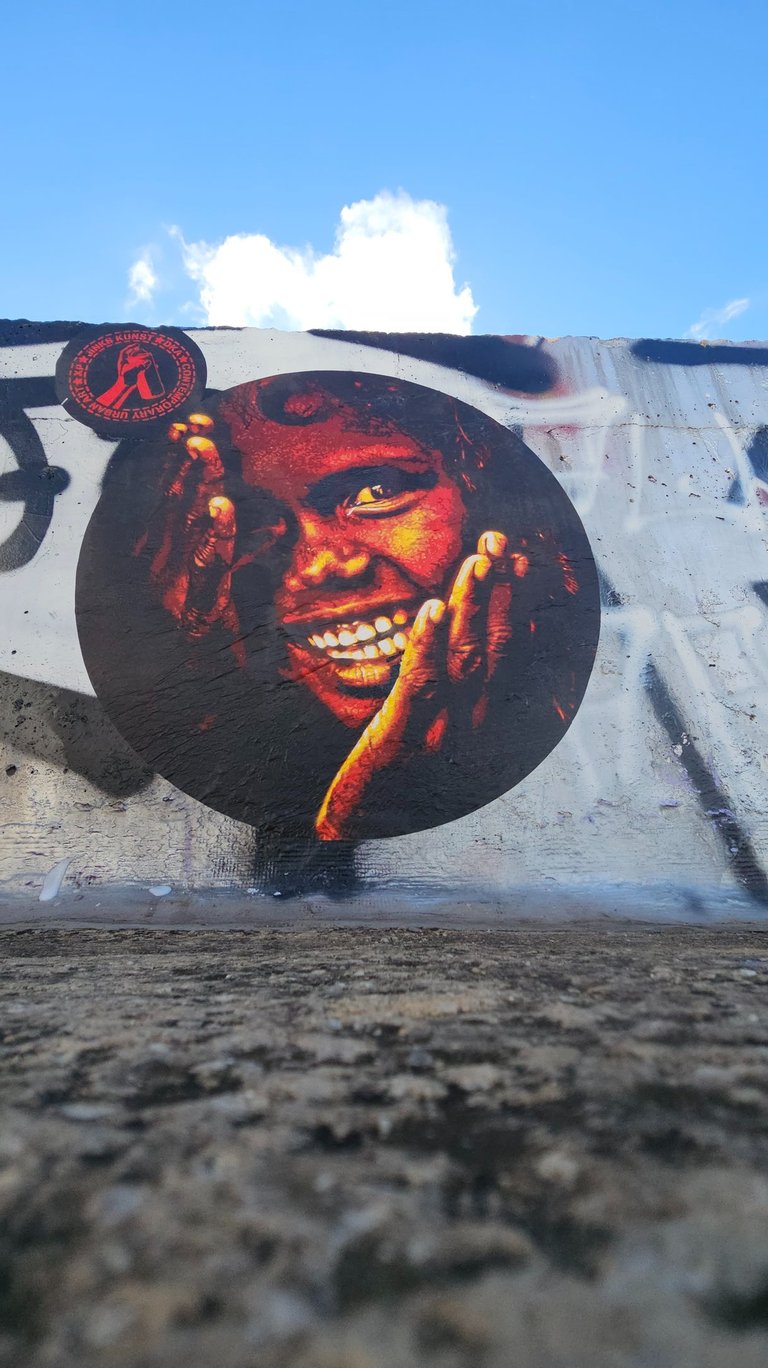
Urban Dialogue: Alongside this, I created two collages at the Msida Skatepark and collaborated with local artist "Cooker" on a designated wall at Sliema Beach.
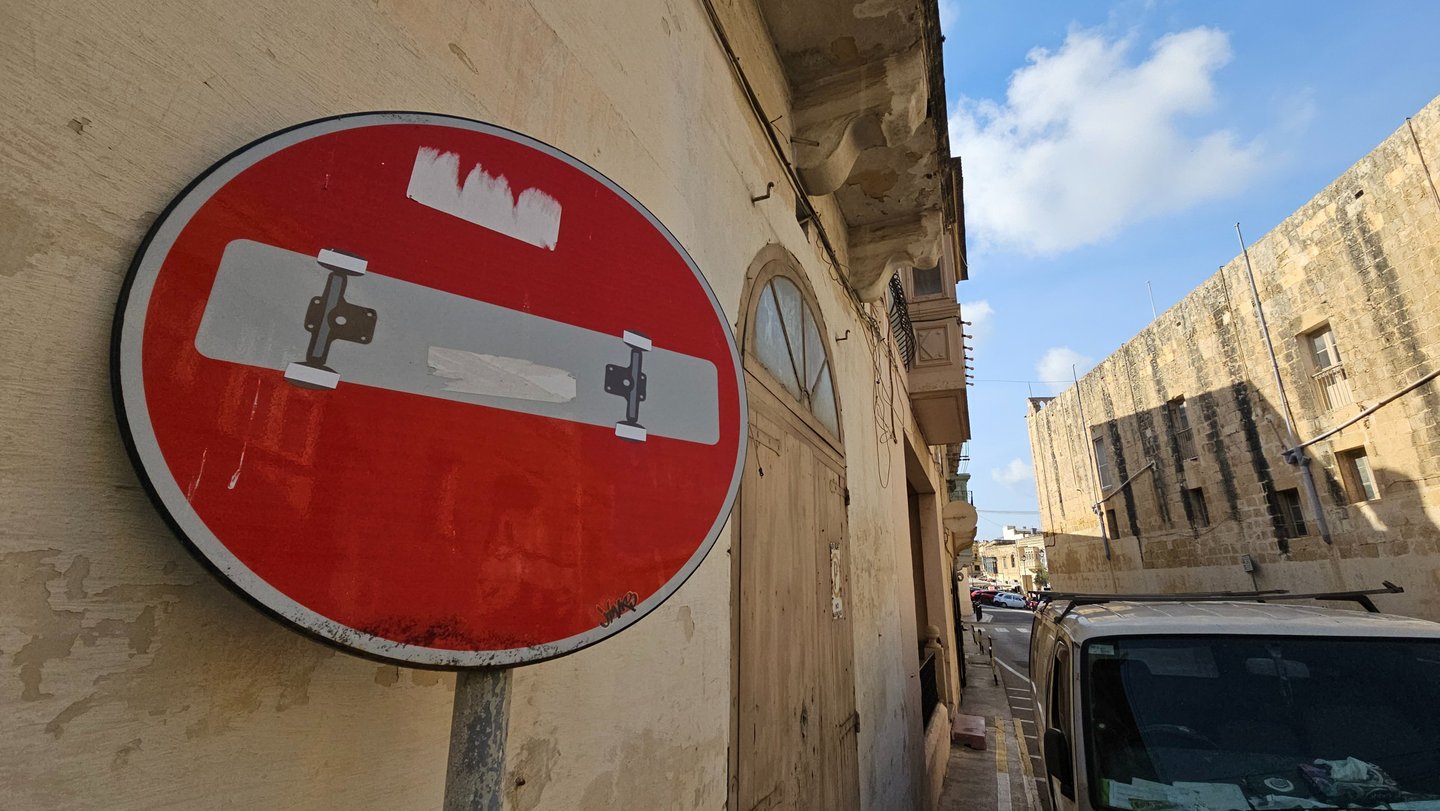
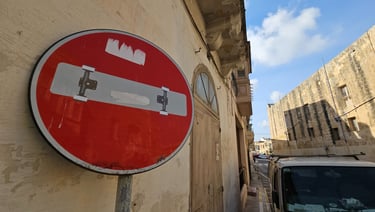
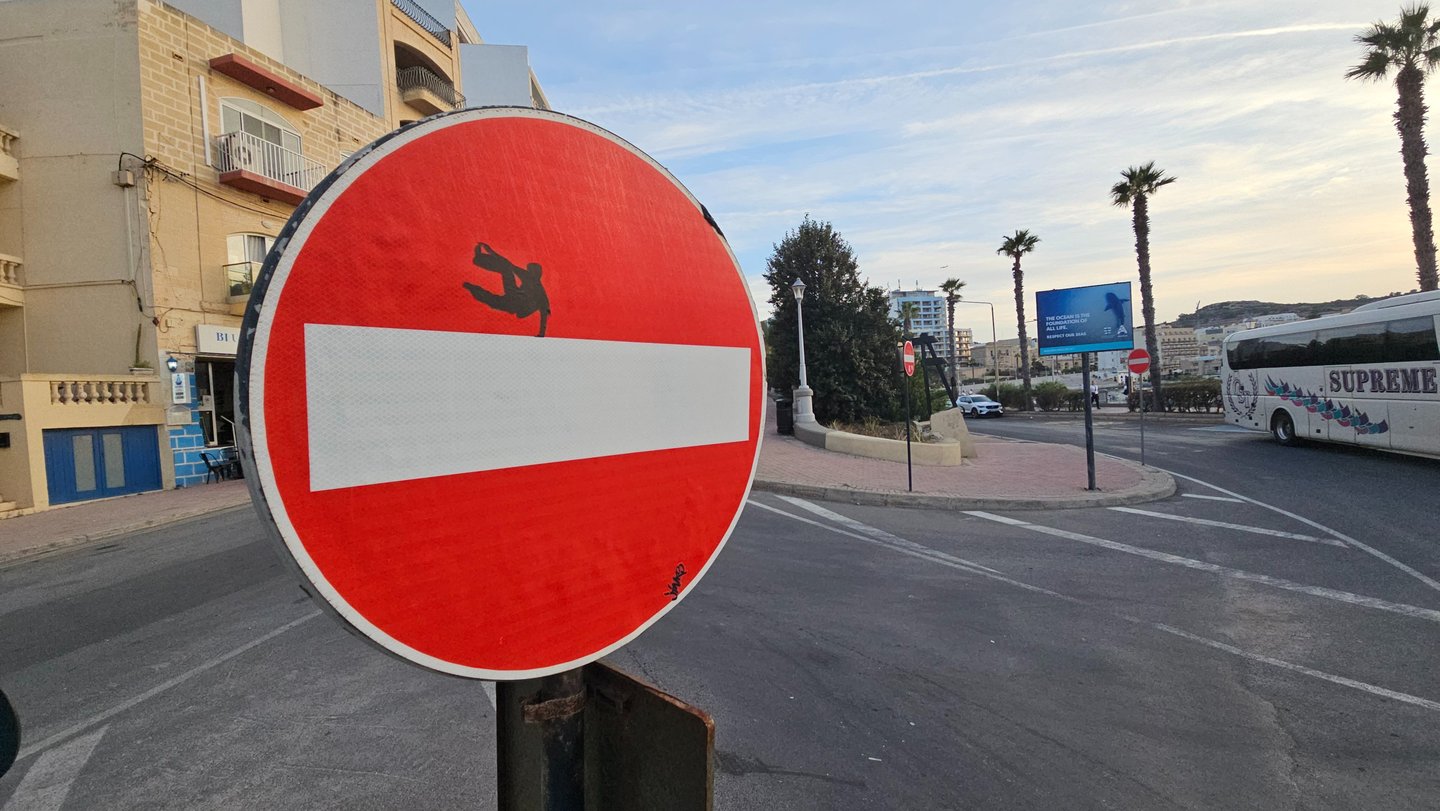
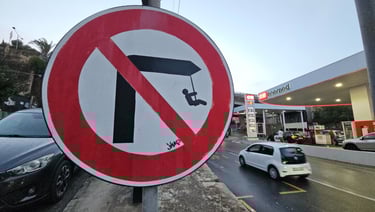
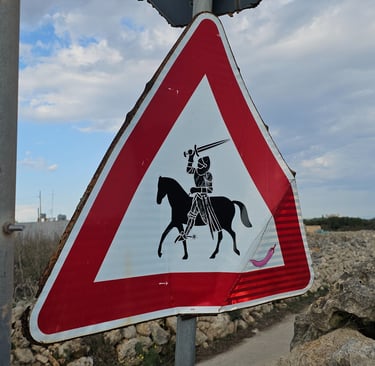
Ten reinterpreted signs, created in various towns (Valletta, Marsaskala, Ir-Rabat, St. Julian's, Sliema, etc.), round out this body of work. These ephemeral interventions transform the standardized language of road signage into unexpected messages, offering passersby a smile and food for thought.
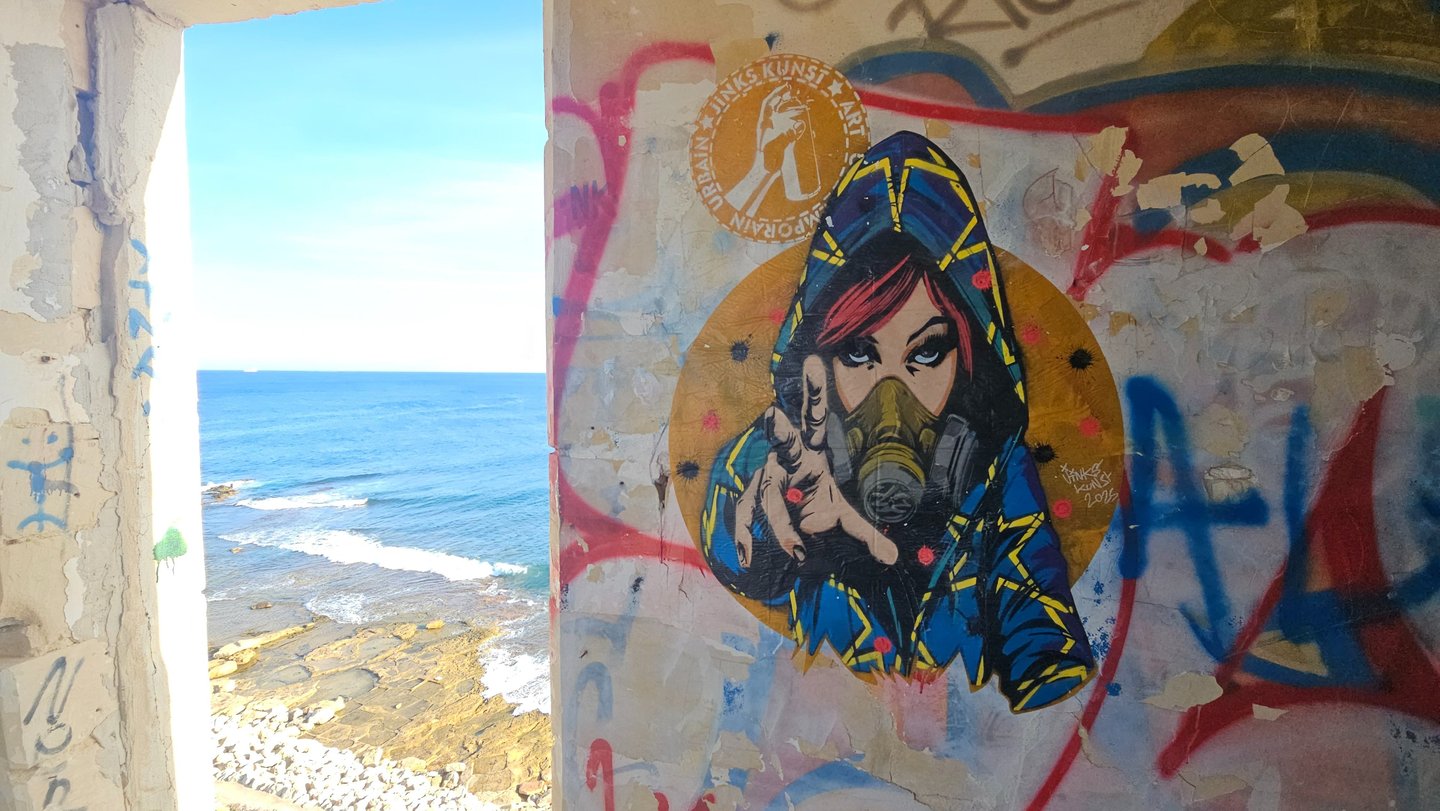
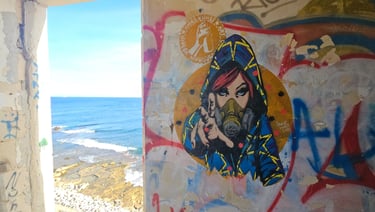
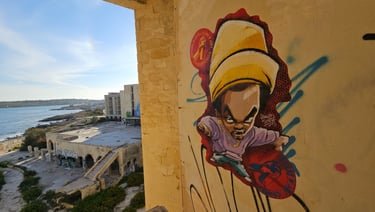
Jerma Palace, Marsaskala: A citadel of faded luxury.
The Jerma Palace is an icon of Maltese urban exploration (Urbex); situated on a peninsula in Marsaskala, it commands an impressive visual presence and evokes a sense of lost grandeur.
Its History: Built in the 1980s and inspired by medieval castles—its style and location are reminiscent of a small fortress—this luxury hotel was once a jewel of Maltese tourism, operated notably by a Libyan chain. It closed its doors in 2007. Since then, it has become a spectacular concrete skeleton, having been looted, set ablaze, and completely stripped bare.
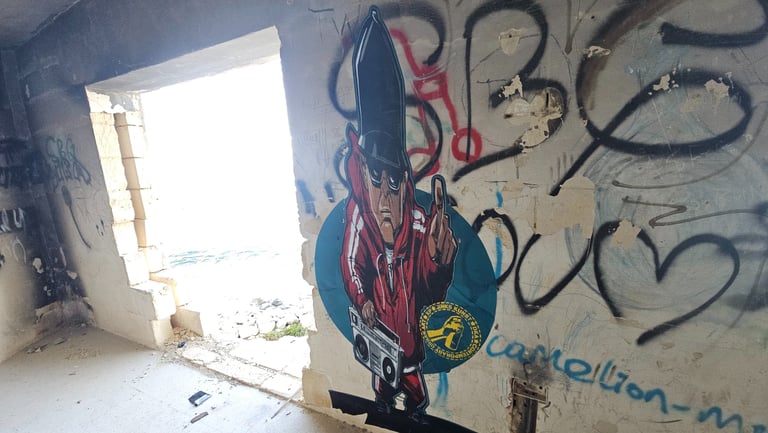
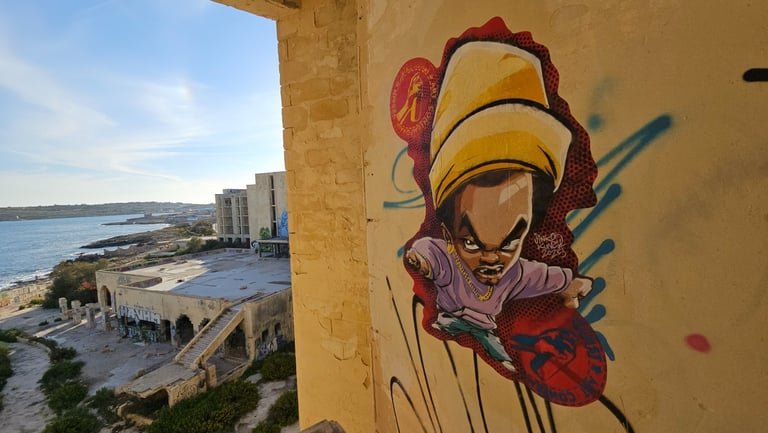
Qui Si Sana Beach in Sliema
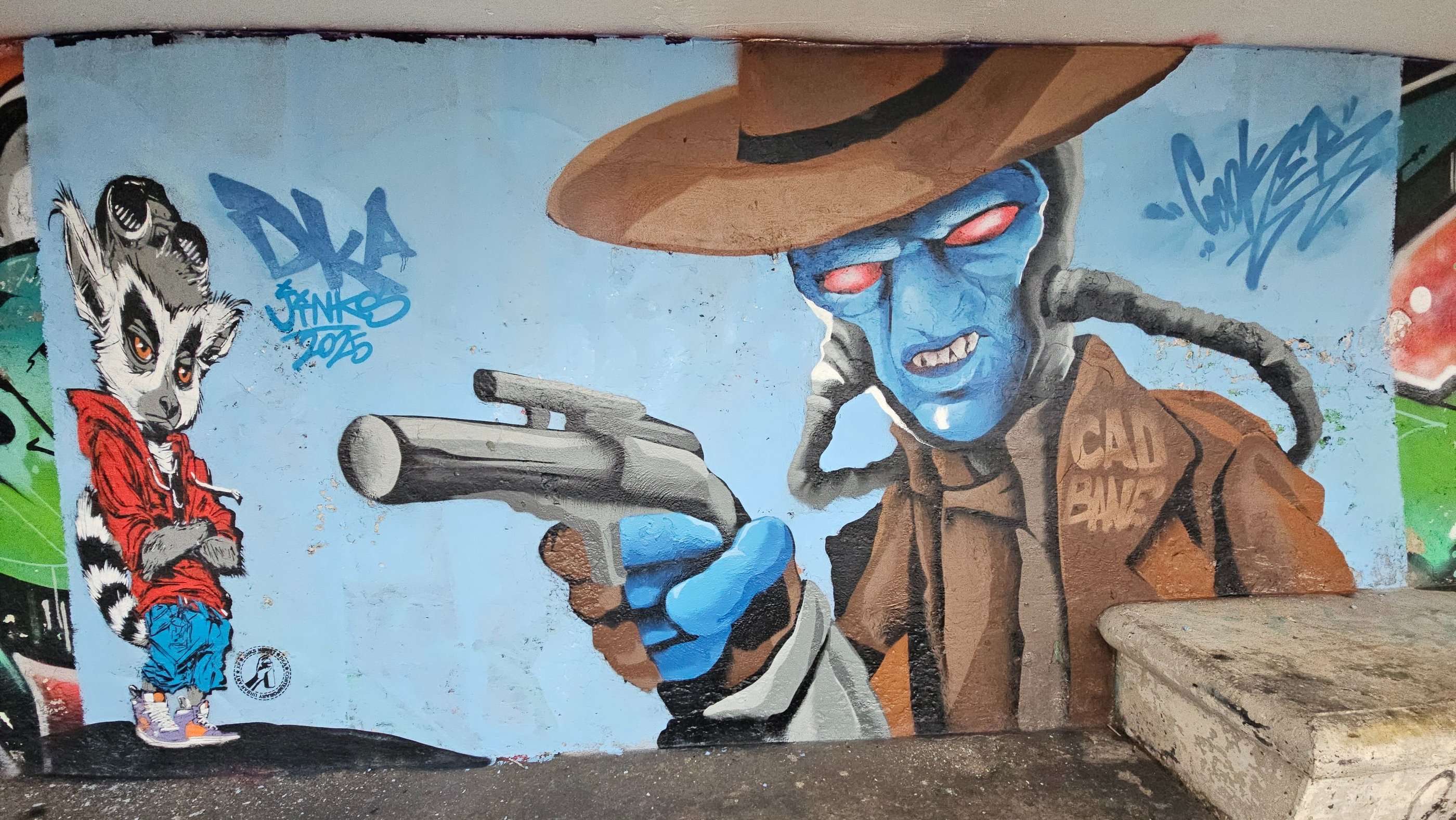
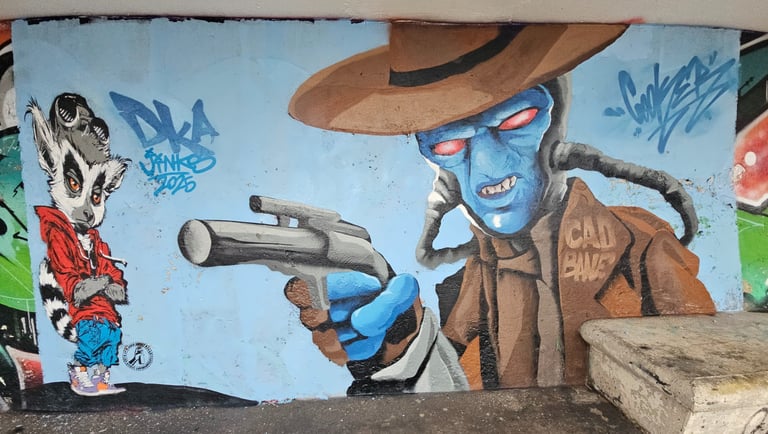
Sliema's rocky beach is famous for its historic baths, but it also has a retaining wall dedicated to graffiti and street art. This wall, very popular with Maltese artists, offers a legal space for expression and a constantly updated showcase of the island's artistic scene.
The creation of the fresco in collaboration with the Maltese artist “Cooker” is significant. Street art is often based on exchange and collaboration. For me it is important to collaborate with local artists during my travels.
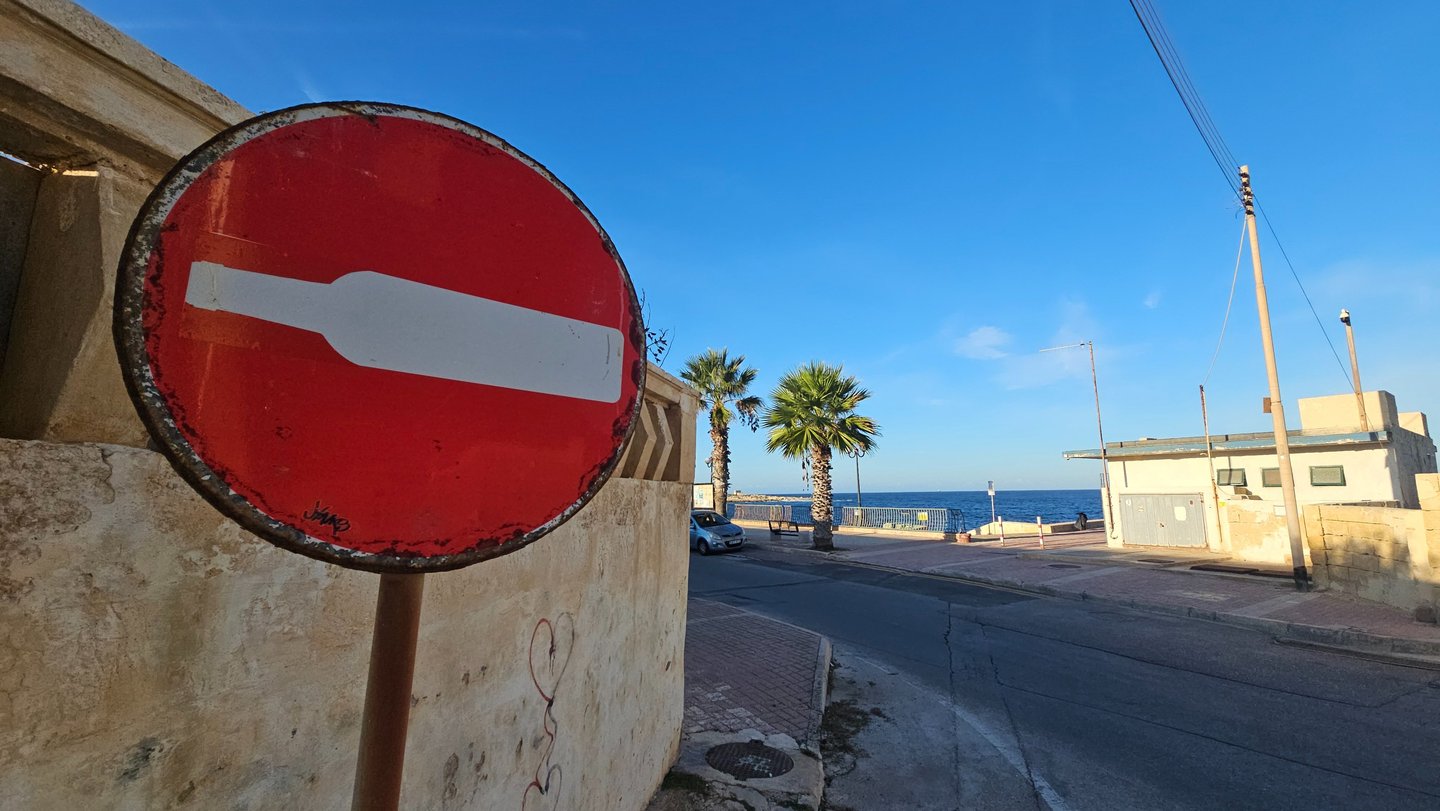
Marsaskala
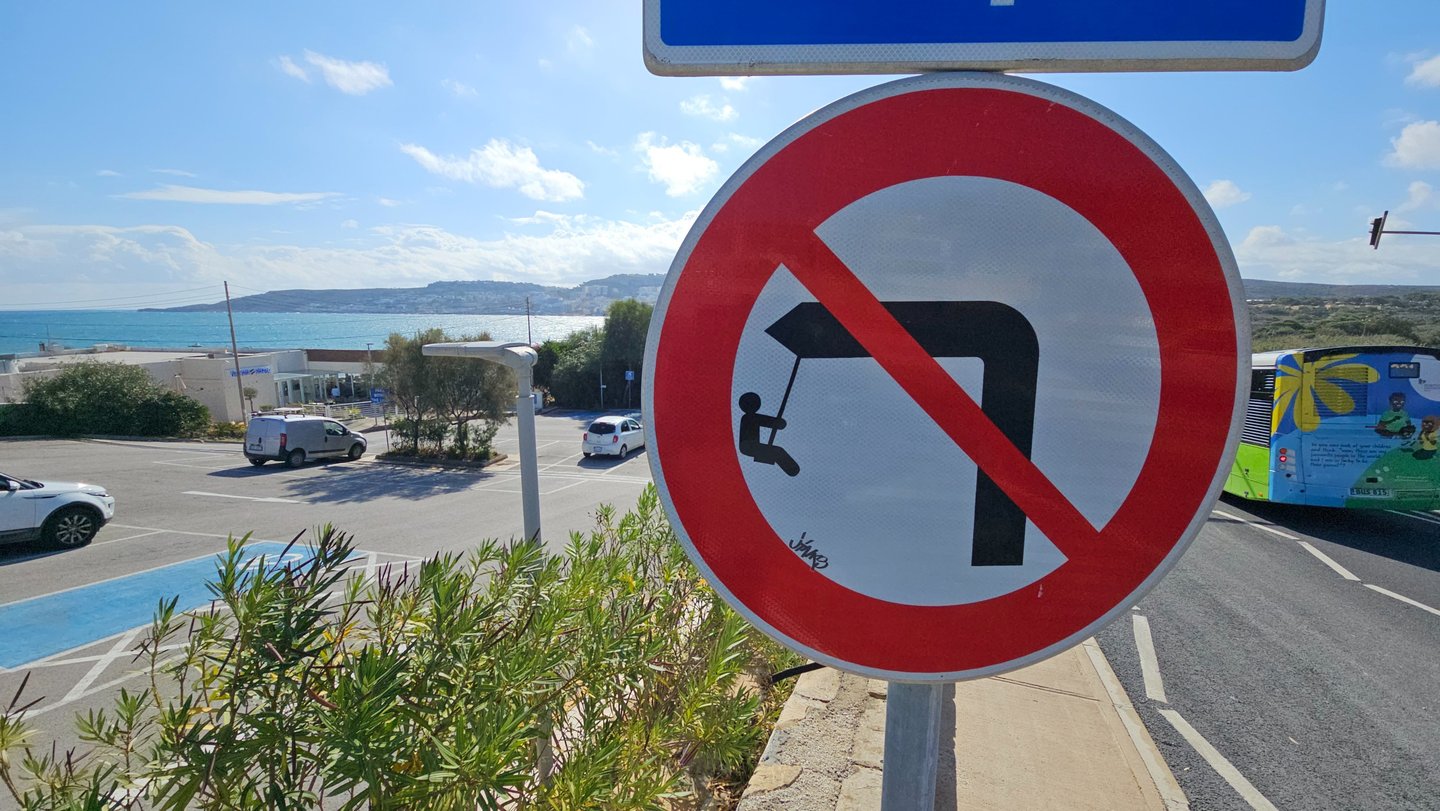
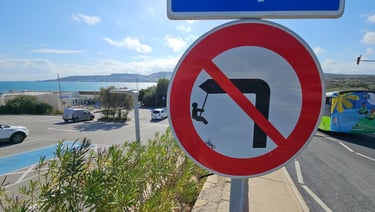
Mellieha Bay
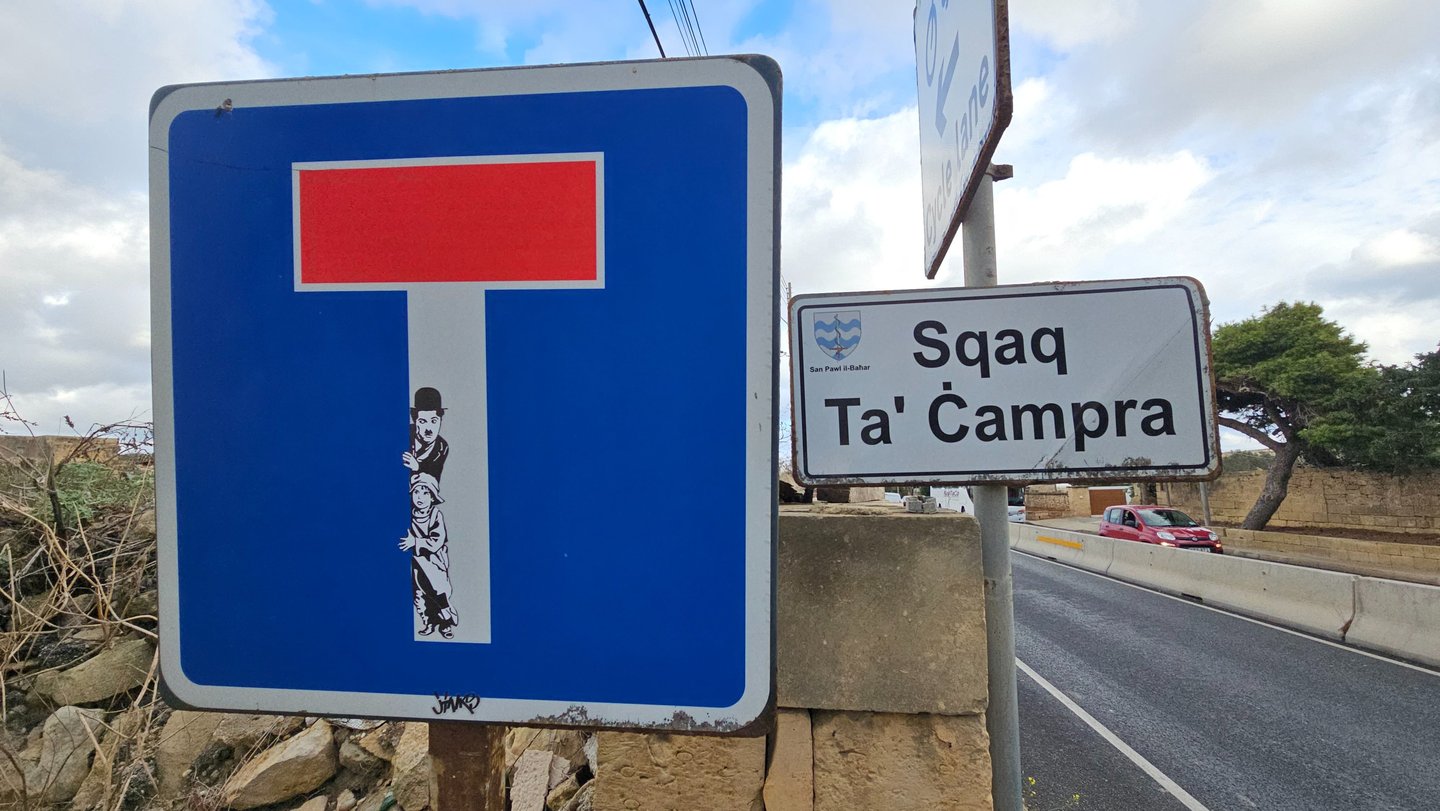
Burmarrad
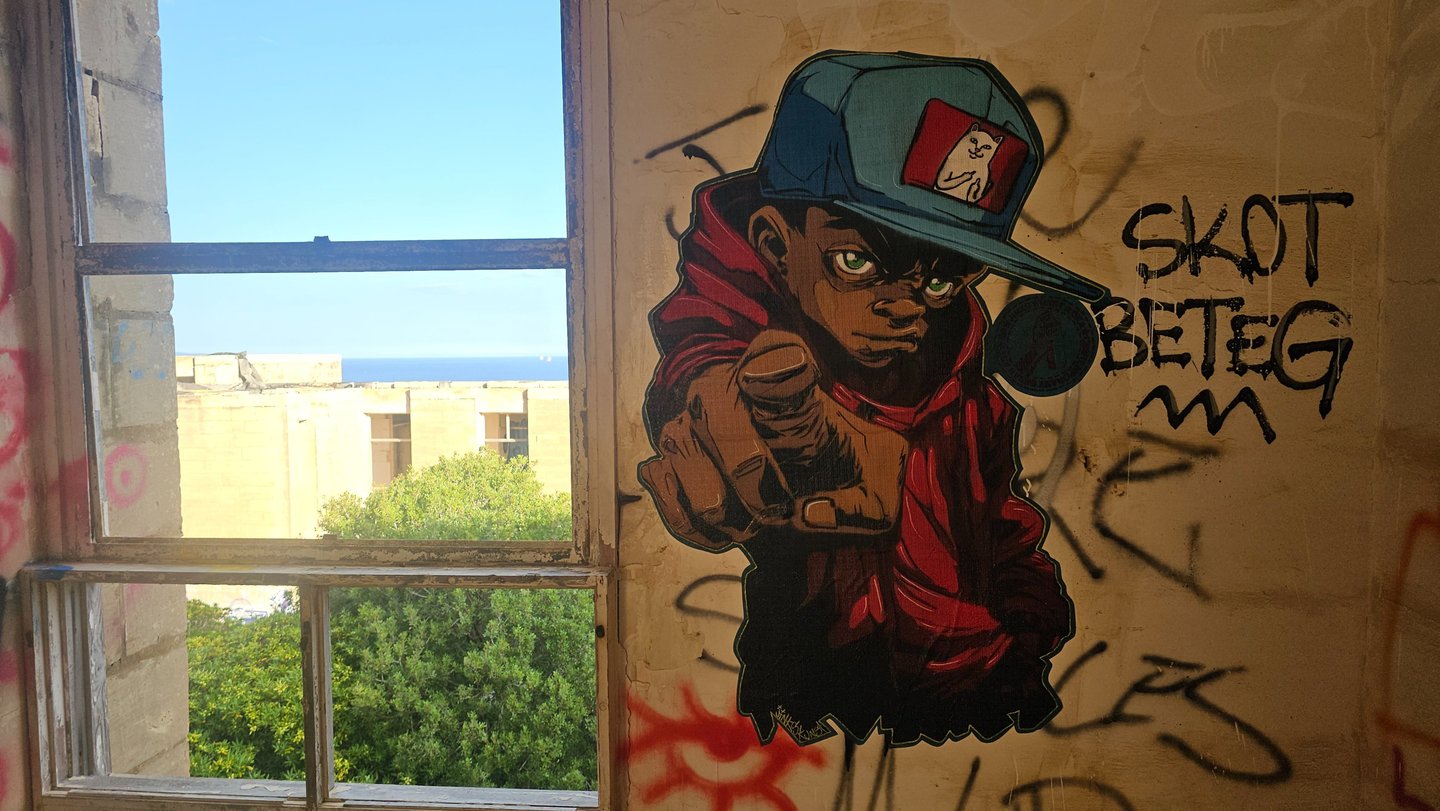
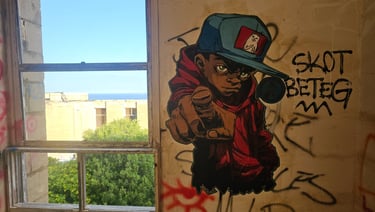
White Rocks, Pembroke: The Seaside Ghost Complex
White Rocks is arguably one of Malta's most famous and impressive urban exploration (Urbex) sites. It is not merely a single building, but a vast abandoned tourist complex stretching along the coast, offering spectacular views of the Mediterranean.
Its History: Originally, these buildings served as barracks for the British Army. In the 1960s, they were converted into a large holiday village. The entire site was permanently closed in the early 2000s, leaving behind a veritable seaside ghost town.
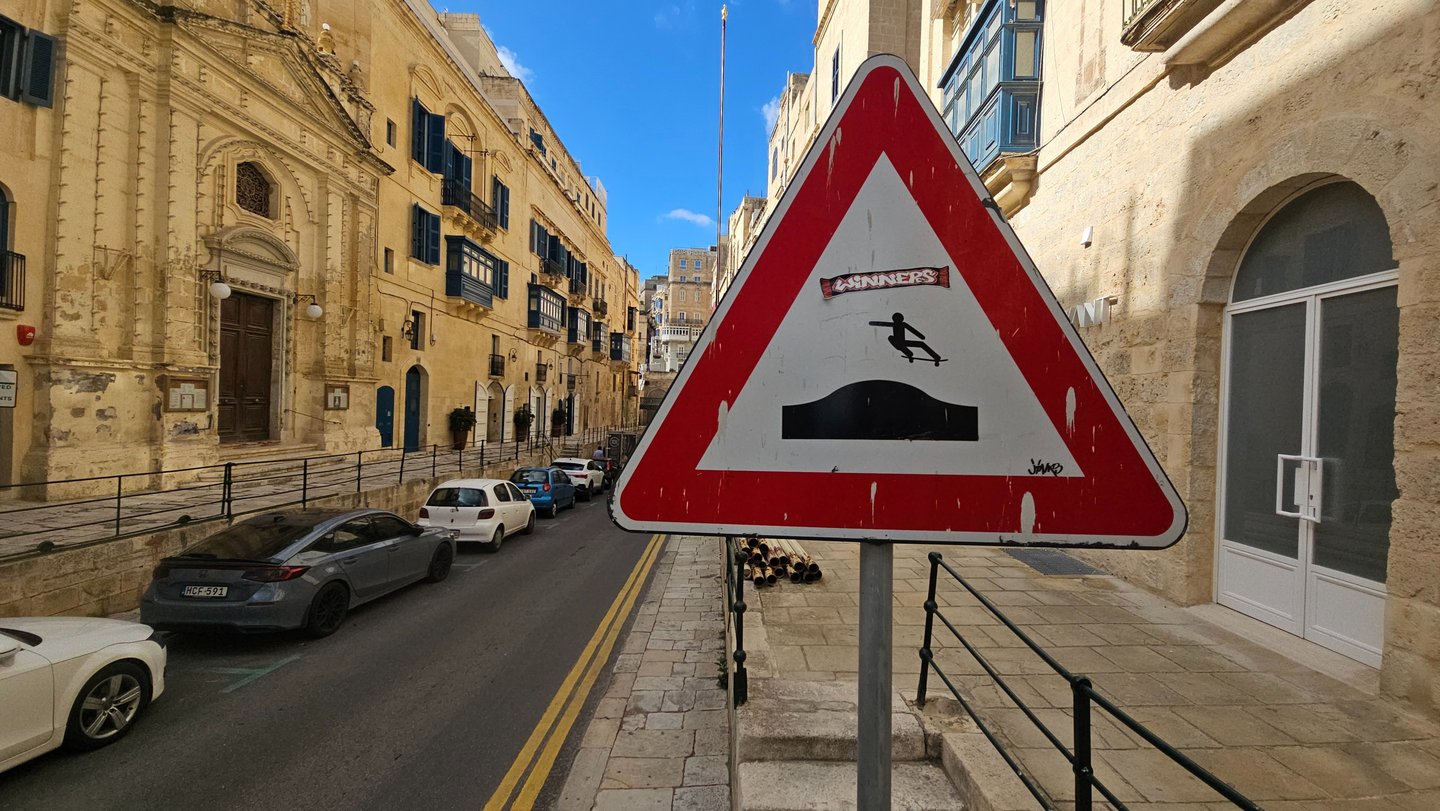
La valetta
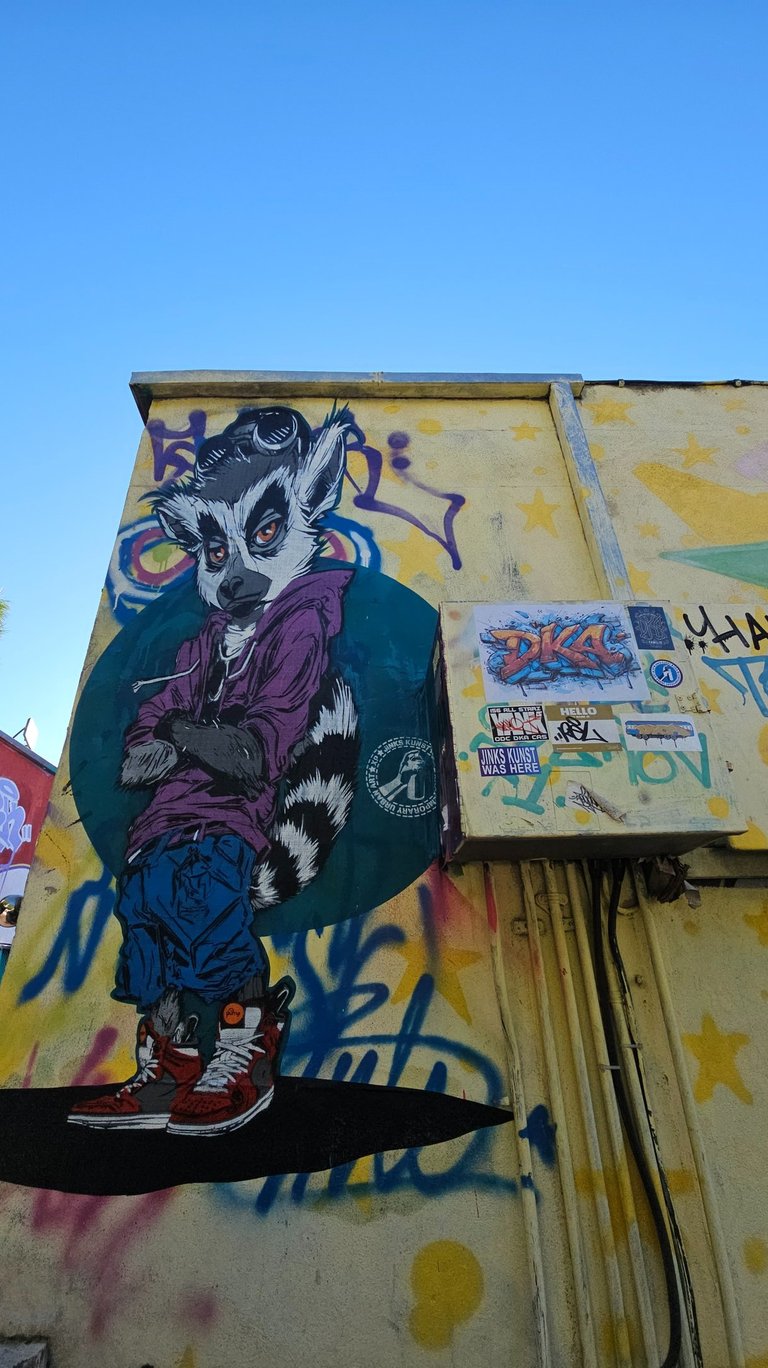
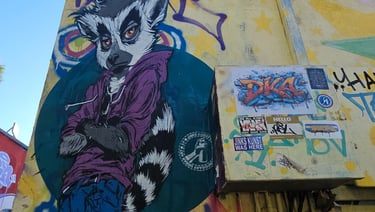
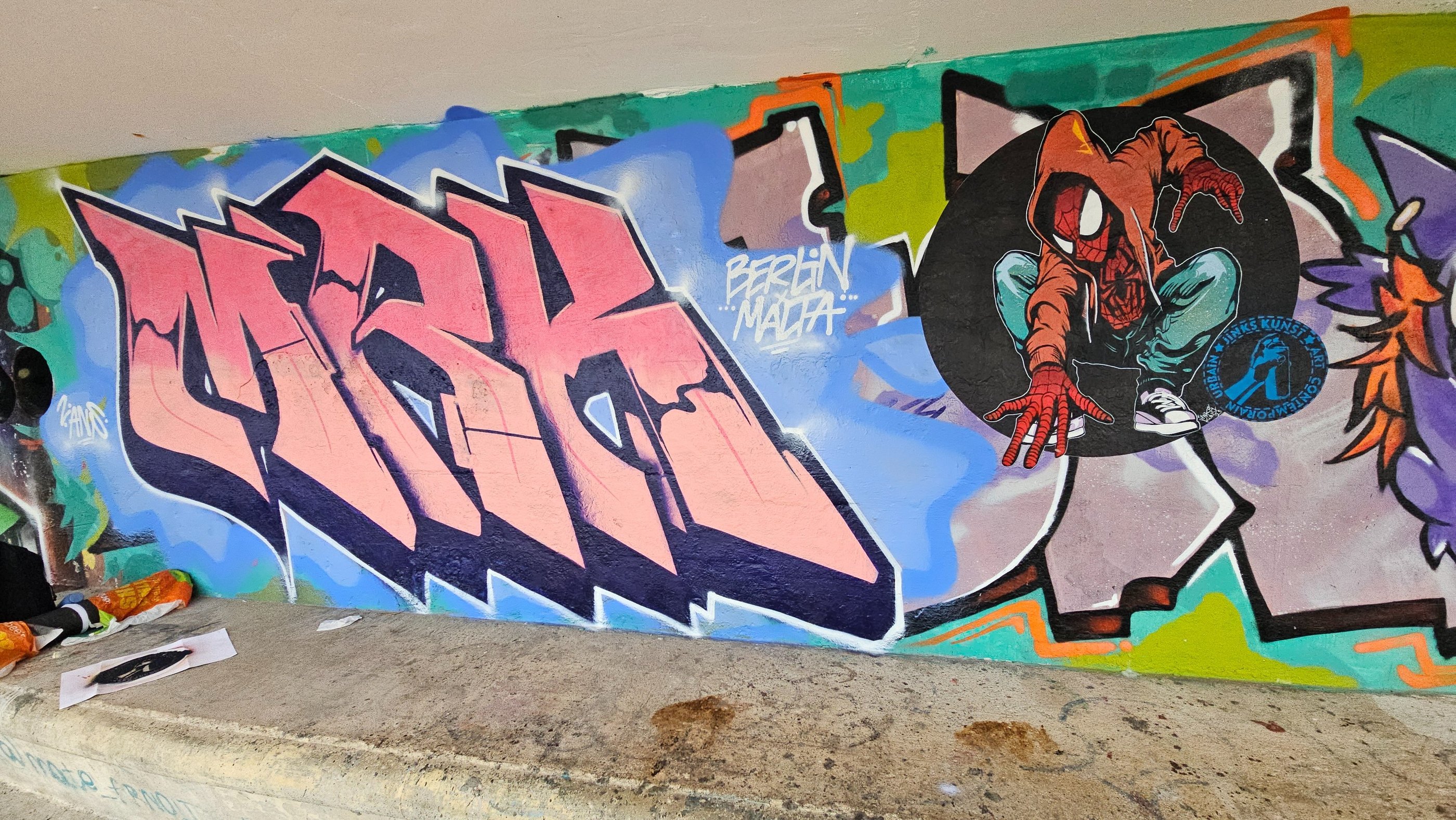
Msida Skatepark: A Dynamic, Ever-Changing Canvas
Far removed from the silence of "urbex" ruins, the Msida Skatepark represents a fundamentally different space for urban expression, serving as a legal and constantly evolving canvas at the heart of the action. Located near the waterfront and the marina, it is a dynamic hub for Maltese street culture, encompassing skateboarding, BMX, and graffiti.
Ir-Rabat (Victoria)
St. Philip’s Hospital, Santa Venera: The Silence of the Corridors
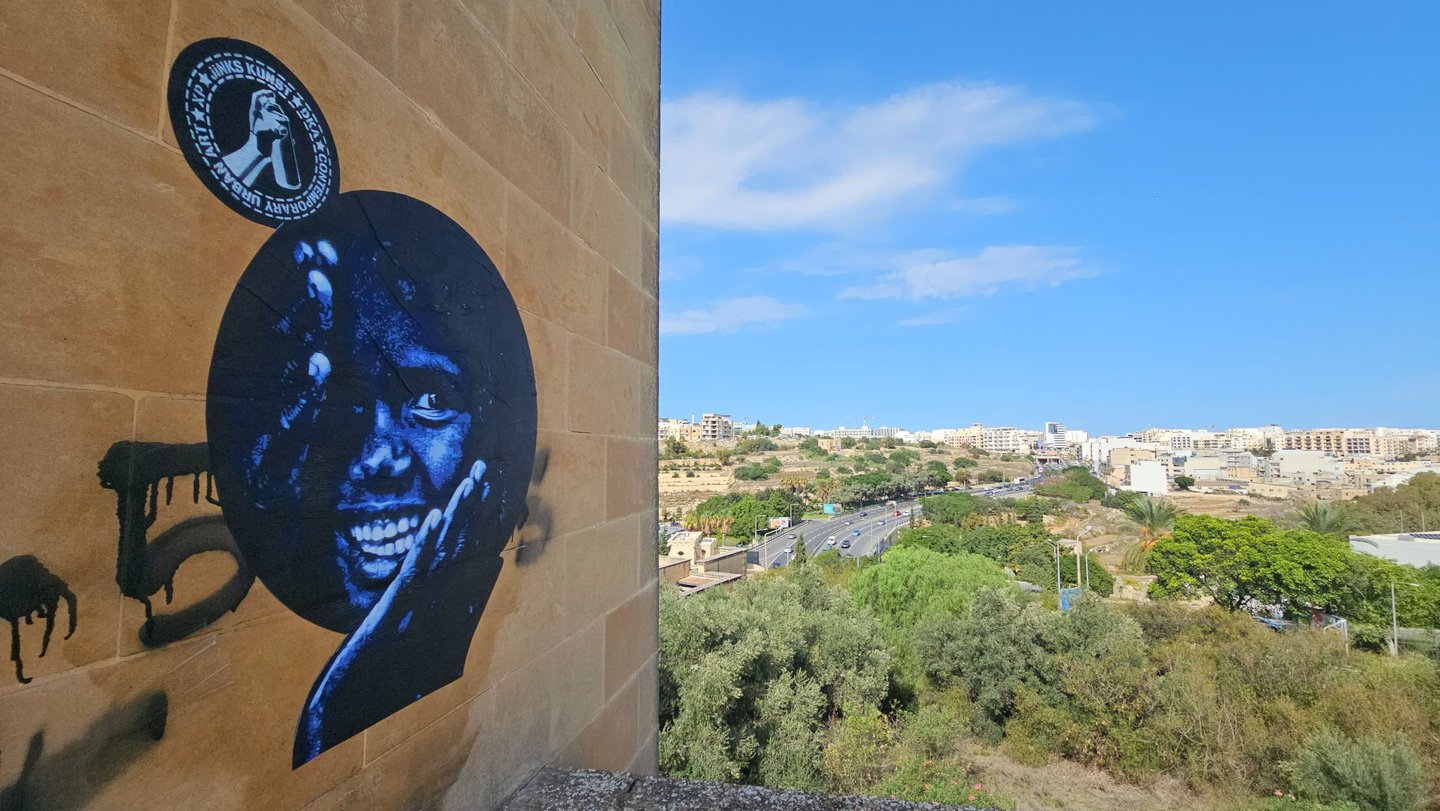
The former St. Philip’s Hospital offers a unique kind of urban exploration experience. Located in the densely built-up area of Santa Venera, it offers a glimpse into a more contained, intimate past—one defined by medical care and, potentially, suffering.
Its History: The facility operated as a private hospital until its sudden closure—often cited as occurring around 2012 or 2013—following financial difficulties or legal disputes. It was abandoned quickly, leaving much of its equipment and furnishings behind.
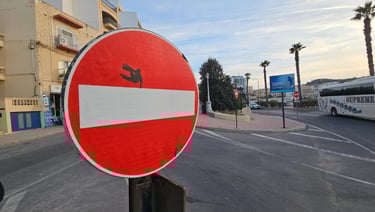
Ir-Bahar (San Pawl)
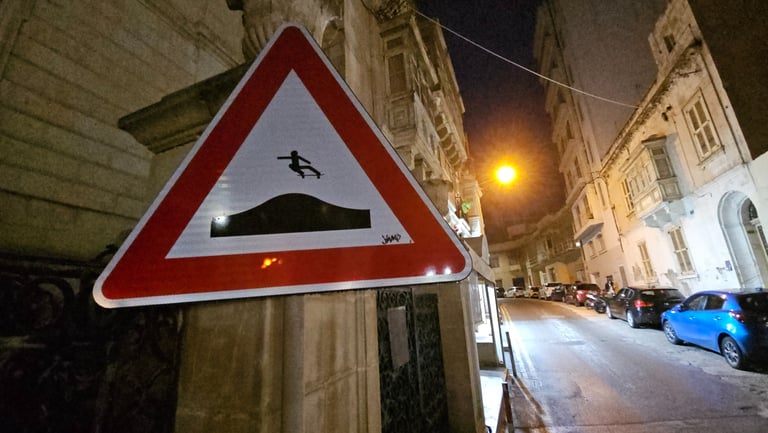
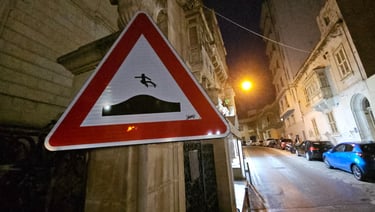
Saint Julian's
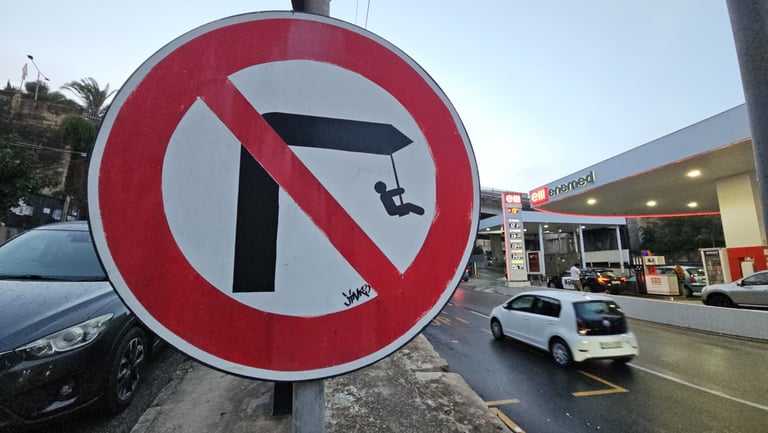
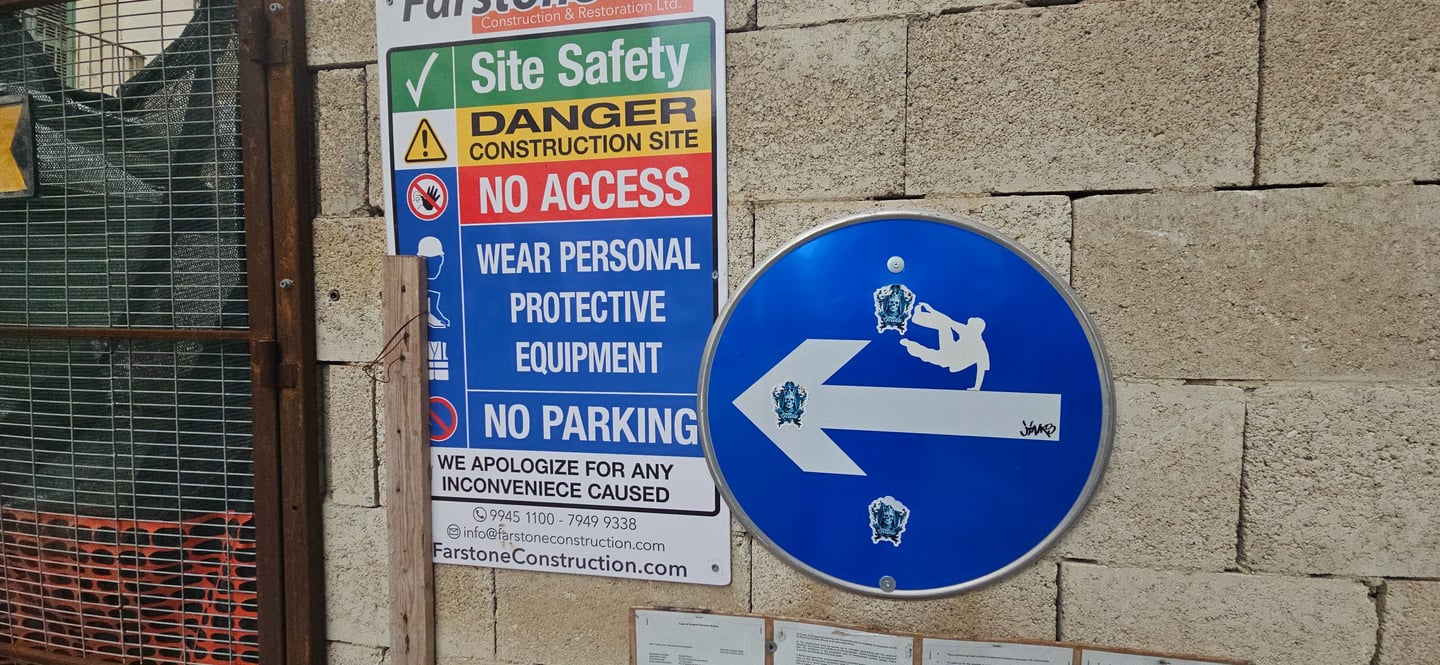
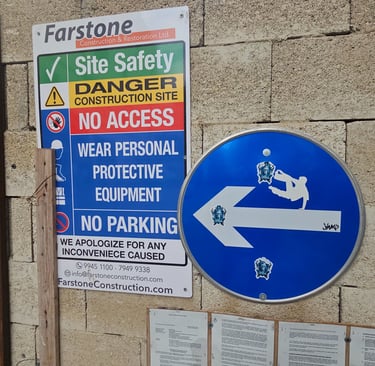
Sliema
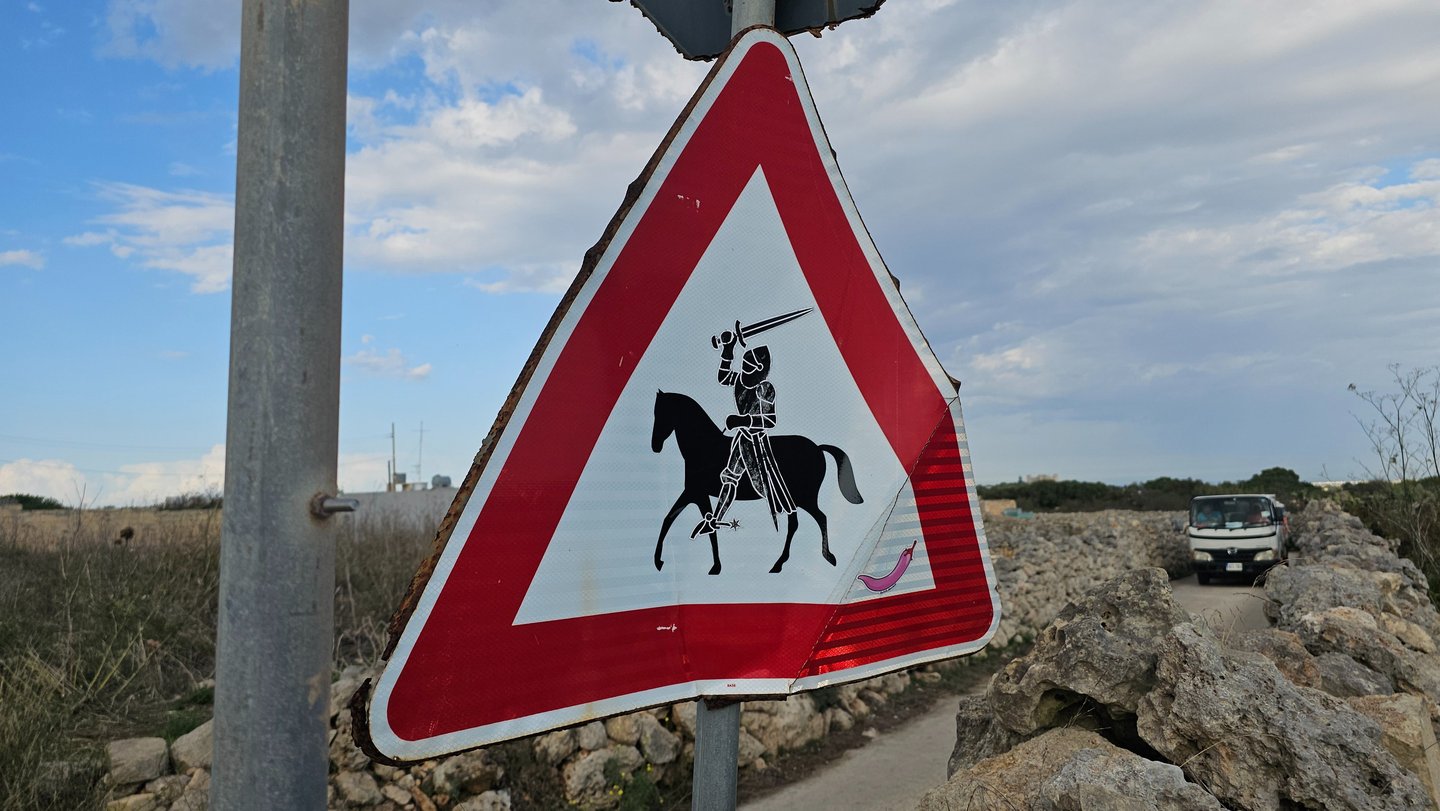
Had Dingli
© 2026. ADAGP - All rights reserved.